
Move every load on one network.
Book a truck on Truck Connect and one shipment record follows the load all the way to the receiving dock, priced on your contract rates and closed with a signed ePOD.
Calamba → Iloilo City
10-wheeler wing van · 12 pallets · via Batangas–Caticlan RO-RO
- Picked upCalamba DC05:12
- RO-RO departedBatangas Port09:40
- ArrivingIloilo City DCETA Wed 07:30
Every app writes to the same shipment record.
So the booking a shipper makes is the job the carrier sees on their phone, and the delivery the warehouse checks in at the dock. Nobody re-types a waybill.
Shippers post loads with lanes and time windows to the SuperTyme core, where Truck Connect matches them to carriers and Fleet and Route Planning builds the route. Carriers are dispatched and book dock slots at warehouses. Tracking, proof of delivery, and dock status flow back to the shipper. Every step is available through the SuperTyme API, SDK, and MCP server.
Pick the app for your side of the load.
Start with one. They share data, so adding another later doesn’t mean entering anything twice.
For shippers and carriers
Post the load once, compare bids from verified owner-operators and fleets, then book the one you want.
- Live load board with counter-offers
- Backhaul capacity at return-trip rates
- Trucks and drivers verified before they can bid
- Lowest bid and carrier rating side by side
- Draft a load from an email or a waybill photo, then check and publish it
Valenzuela → Cebu CityNew bid, just now
10W wing van · Thu 06:00 · 7 bids
₱38,500
lowest bid
Davao City → Cagayan de OroBackhaul
Reefer 20 ft · Thu 14:00 · 4 bids
₱21,900
lowest bid
Calamba → Batangas Port
6W closed van · Fri 04:30 · 9 bids
₱6,800
lowest bid
San Fernando → TaguigAfter truck ban
Flatbed 40 ft · Fri 22:00 · 3 bids
₱12,400
lowest bid
Plans priced on your rates, not on averages.
Hand the planner a day of orders and it gives back a dispatch plan costed on the rates you’ve actually signed, with every stop inside its window.
- Orders
- Weight, volume, and cargo type for every pick-up and drop-off
- Time windows
- When each site can load or receive, down to the dock door
- Fleet
- Your own trucks first, then Truck Connect capacity near the lane
- Rate matrix
- Your contracted rate per lane and truck type, with fuel adjustment
- Road rules
- MMDA and LGU truck-ban hours, applied road by road
- Road conditions
- Traffic by hour, closures, weather advisories, and ferry sailings
- Stop access
- Which trucks fit each site, receiving hours, and time to park and unload
| Truck | Route | Window | Cost |
|---|---|---|---|
| 10W-0110-wheeler wing van | Calamba DC → Taguig → Pasig | 05:00–09:30 | ₱14,200 |
| 6W-026-wheeler closed van | Valenzuela → Quezon City → Caloocan | 22:00–03:30 | ₱7,900 |
| 20F-0320-ft container | Port of Manila → Sto. Tomas, Batangas | 13:00–17:00 | ₱18,500 |
6W-02 is scheduled after 22:00 so its Quezon City leg clears the truck-ban window.
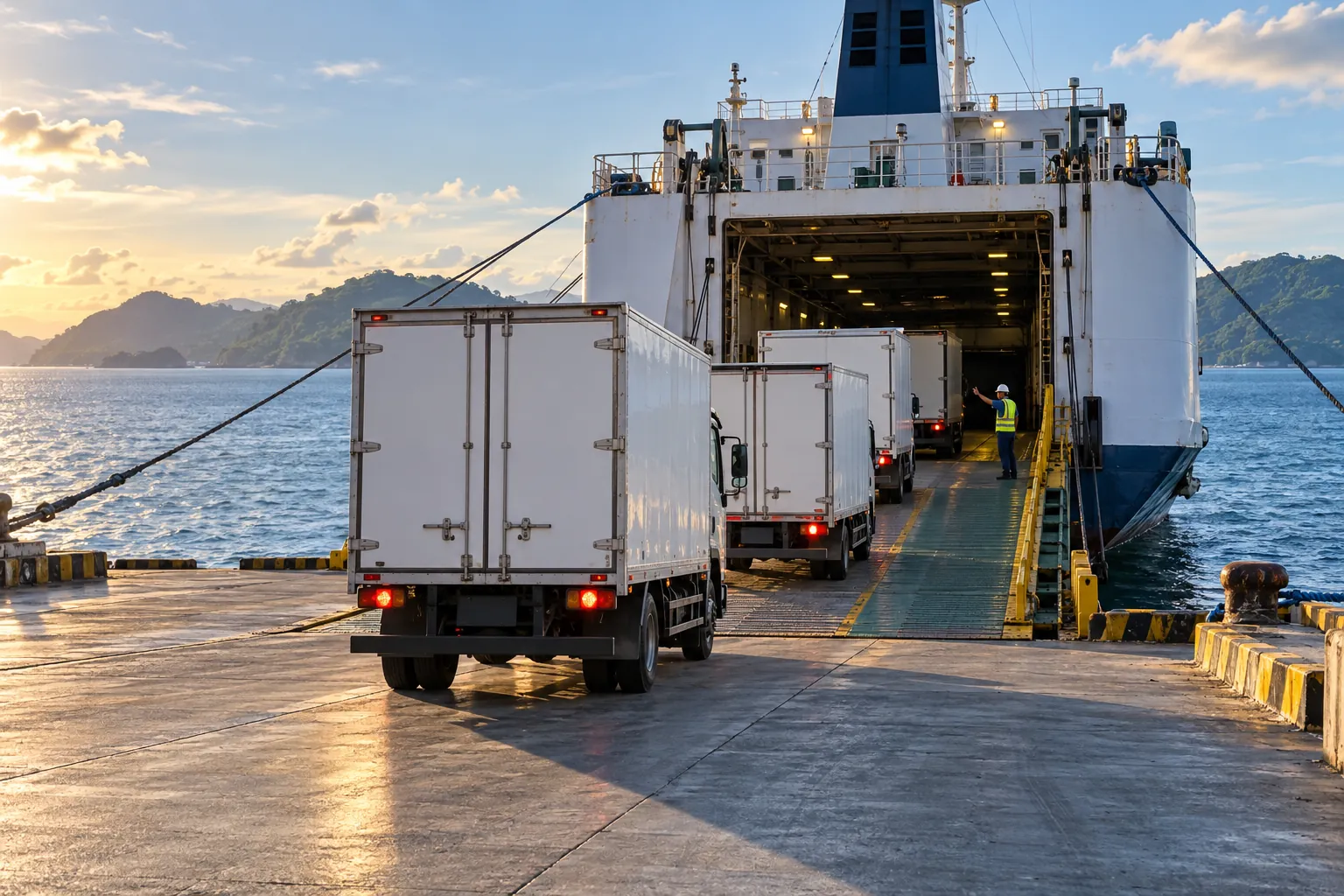
Luzon to Mindanao on one booking, ferry included.
- Truck-ban hours
- MMDA and LGU windows sit inside every plan, so a dispatcher doesn’t have to remember which roads close at 5 pm.
- RO-RO legs
- A Calamba-to-Iloilo job books the Batangas–Caticlan ferry with the truck and keeps one tracking record across both legs.
- Port suspensions
- When the Coast Guard stops sailings for a storm signal, affected bookings go on hold and both sides hear about it.
- Typhoon signals
- When PAGASA raises a wind signal over a province, bookings with stops there go on hold, and both sides hear when they resume.
- Tolls and diesel
- Plans price SLEX, NLEX, CALAX, and the other expressways by vehicle class, and adjust for the week’s diesel price.
- Peso settlement
- Shippers pay by GCash, Maya, card, or bank transfer. Carriers get paid to a bank account or e-wallet once the consignee signs.

Fill the trip home, and get paid the day you deliver.
An operator with two trucks gets the same load board and paperwork tools a national fleet pays a whole dispatch team to run.
Backhaul, posted in a minute
Driving back empty from Batangas? List the return trip and shippers on that lane see it at a return-trip rate.
Paid on the signature
The payout goes to your bank or e-wallet when the consignee signs the ePOD, instead of waiting weeks for a cheque.
Your ERP can book a truck without anyone opening the app.
The SuperTyme apps run on the same public API you get, so anything a dispatcher can click, your systems can call.
- REST API
- Loads, bookings, plans, trucks, docks, and invoices, versioned, with an idempotency key on every write.
- Webhooks
- Signed events for load.booked, plan.ready, dock.arrived, and epod.signed.
- TypeScript SDK
- A typed client generated from the same schema the API serves, so the two can’t drift.
- MCP server
- Lets an AI agent create loads, plan routes, or check a shipment, limited to whatever your API key allows.
POST /v1/plans
{
  "orders": ["ord_8f2", "ord_8f3", "ord_8f7"],
  "fleet": "fleet_north_luzon",
  "rate_matrix": "rm_2026_q4",
  "respect_truck_ban": true
}
# Connect an AI agent over MCP
{ "mcpServers": { "supertyme": {
"url": "https://mcp.supertyme.com",
"headers": { "Authorization": "Bearer $SUPERTYME_KEY" }
} } }Set up for the freight you move.
A reefer of bananas and a flatbed of rebar need different trucks and different proof at the gate, so each industry starts with its own defaults.
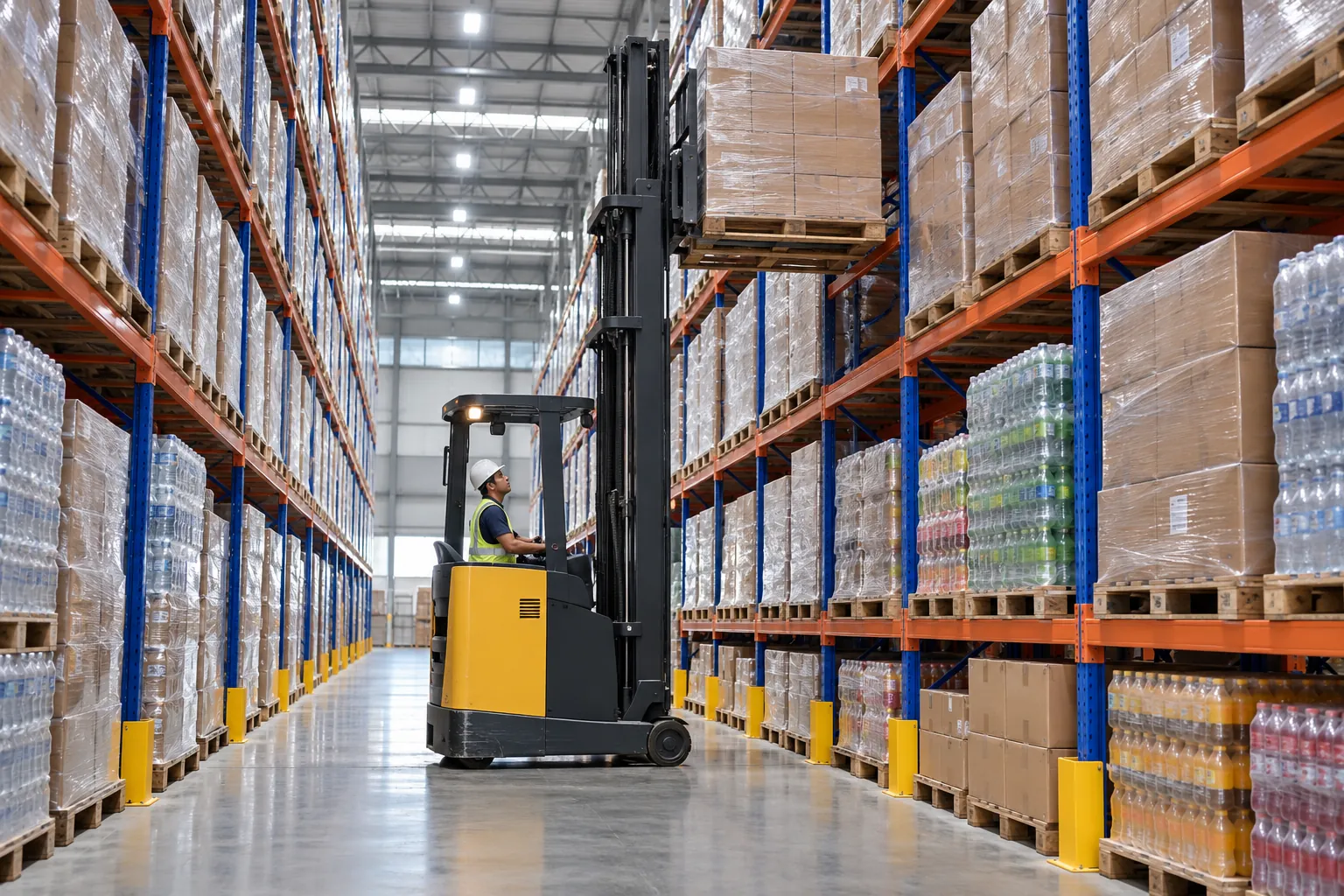
FMCG and retail distribution
Daily replenishment runs from DC to store, planned around store receiving windows.

E-commerce and parcels
Linehaul between sort hubs, plus LTL consolidation for sellers who can’t fill a truck.

Construction materials
Flatbeds and trailers booked to the site schedule, with a photo ePOD at the gate.
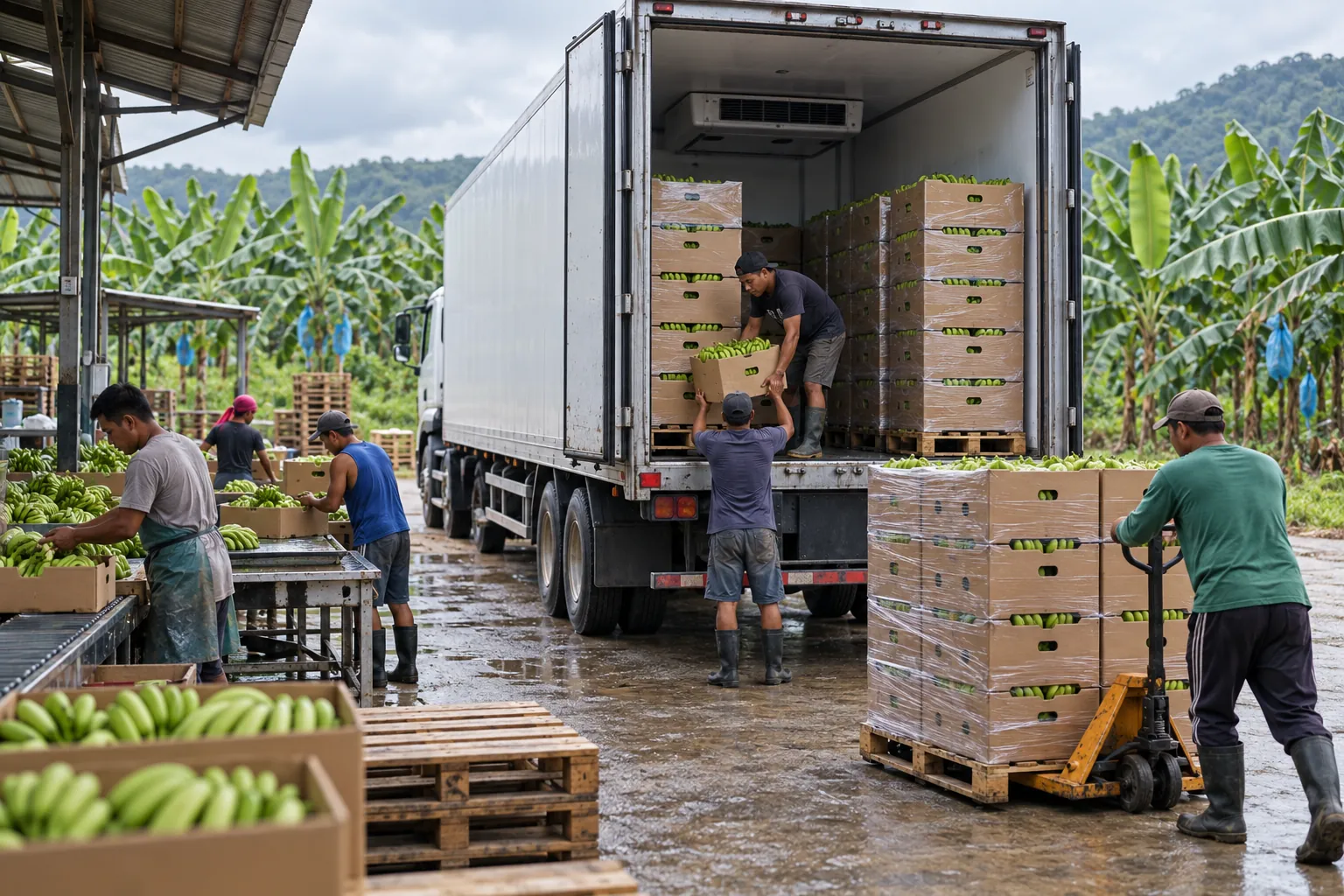
Agriculture and cold chain
Reefer trucks out of Mindanao packing stations, with the temperature range and handling notes on every booking.
Send us a week of orders and we’ll plan it on your rates.
We’ll run it on your fleet plus Truck Connect capacity, then go through the plan with your dispatch team on a call.